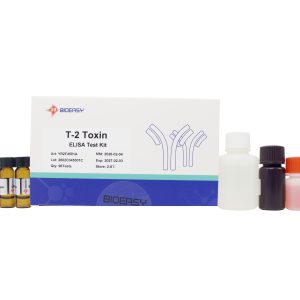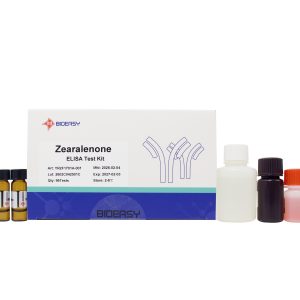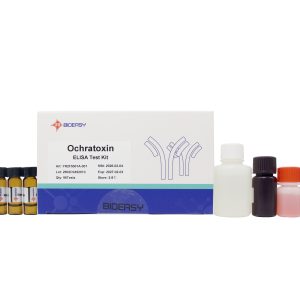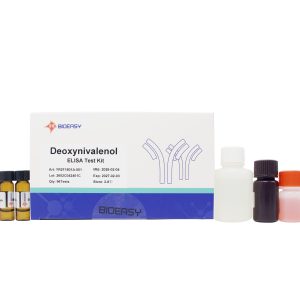

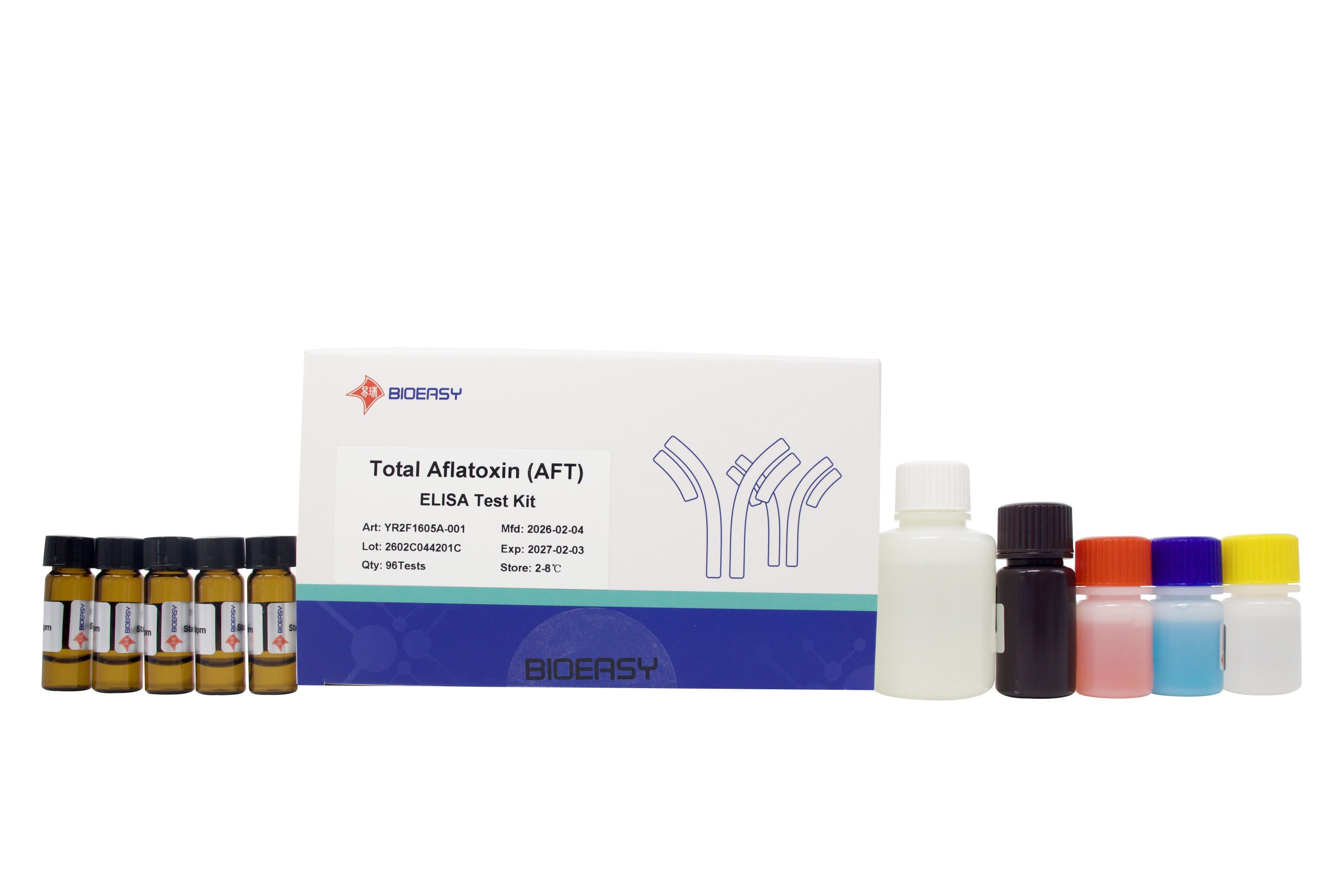
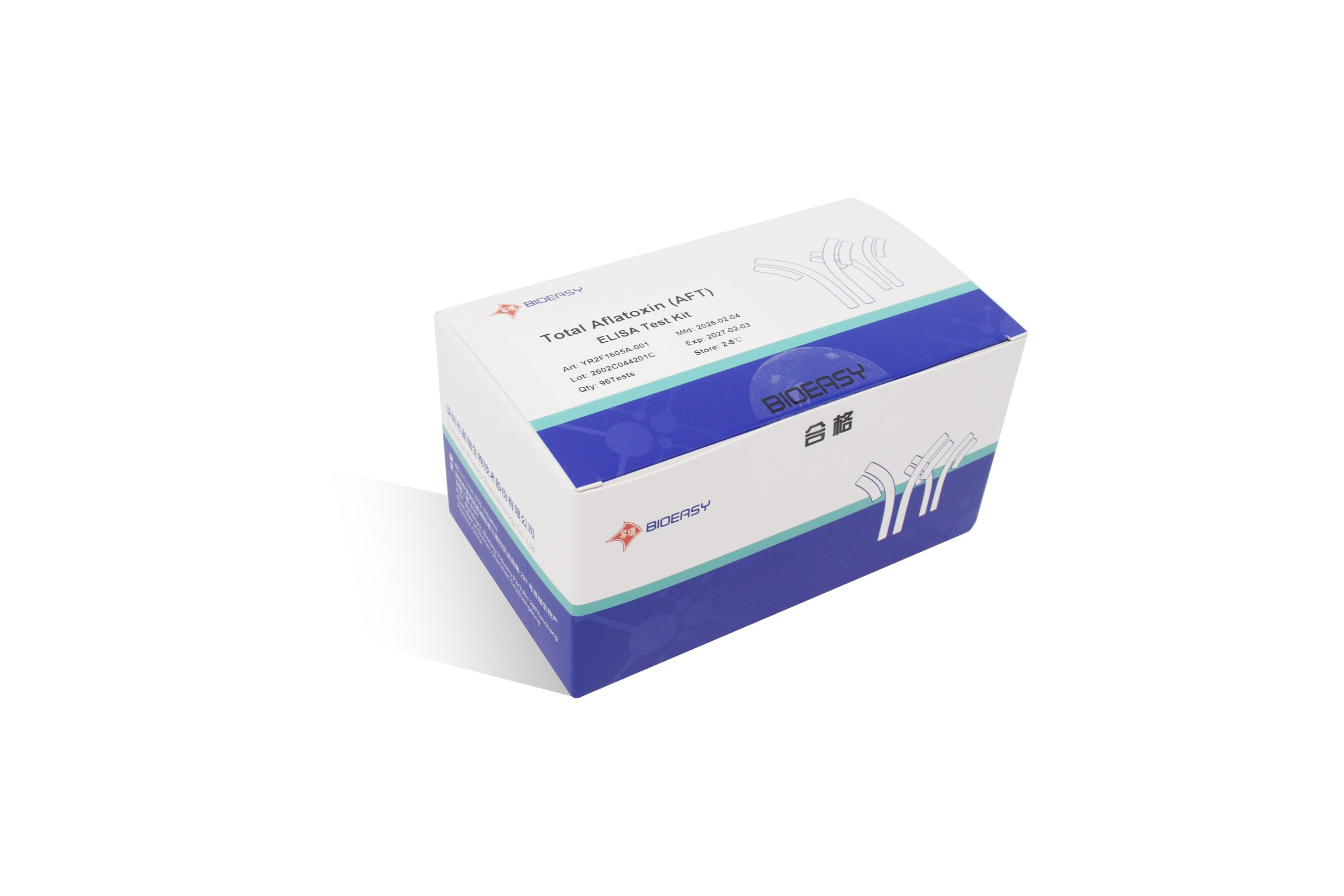
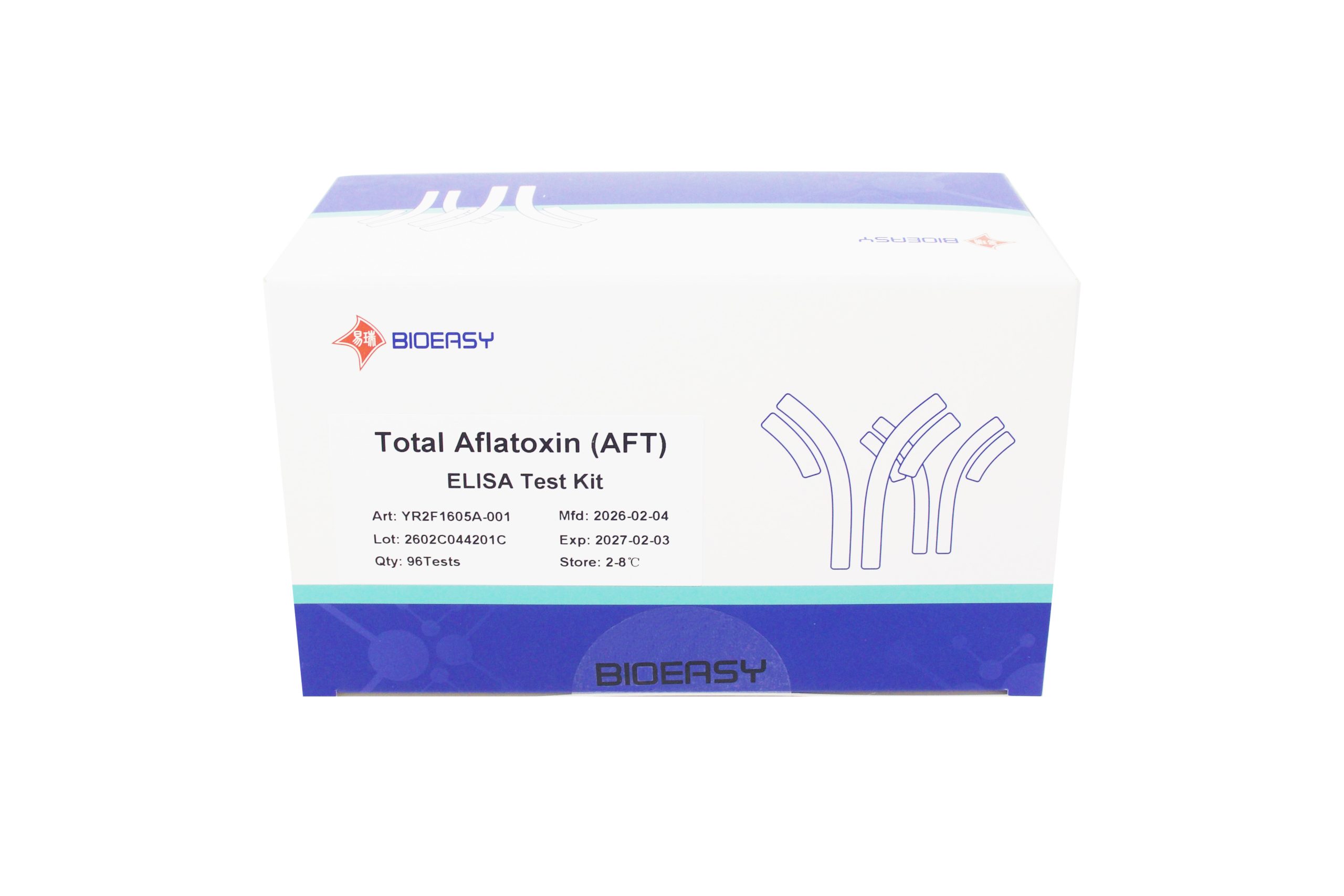
Total Aflatoxin ELISA Test Kit
- The kit is used to detect whether mycotoxins are present and to measure how much of these mould-produced toxins are in the sample.
- Competitive Quantitative mycotoxin test kit, ELISA test with single break strip plate, 96 wells (12 strips)
- Only one standard is required.
- ELISA procedure takes 5 minutes
- LOD (limit of detection): 0.6 ppb
- Quantification range: 1-50 ppb
- Specificity and sensitivity are really high.
- All reagents are ready to use.
- Adapted to the legal limits of the United States and Asia
- 12 months shelf life
- Storage 2 to 8 °C
Mycotoxins are toxic compounds that can appear when certain moulds grow on crops, food, animal feed or other agricultural materials. They're commonly found in cereal grains, peanuts, dried fruits and tree nuts, especially when these products are stored in warm and humid conditions. Examples such as aflatoxin, ochratoxin, ergot alkaloids, patulin, T-2/HT-2, fumonisin and zearalenone have been linked to a range of health problems in both humans and animals.
What Are Aflatoxins?
Aflatoxins are naturally occurring mycotoxins produced by Aspergillus fungi when crops are exposed to warm, humid conditions during growth, harvest, or storage. These toxic compounds are among the most regulated food contaminants globally due to their proven carcinogenic properties and significant health risks.
The Four Main Aflatoxin Types:
- Aflatoxin B1 – The most potent and commonly found in grains and nuts. Most strictly regulated globally.
- Aflatoxin B2 – Occurs alongside B1 with lower toxicity levels. Found in similar commodities.
- Aflatoxin G1 – Similar potency to B2. Less common but highly regulated in export markets.
- Aflatoxin G2 – Occurs with G1. Presents lower risk but still monitored for compliance.
Where Aflatoxins Are Found: Aflatoxin contamination occurs primarily in crops susceptible to fungal colonization: cereals and grains (corn, rice, wheat, barley), nuts and seeds (peanuts, almonds, pistachios, tree nuts), spices and dried herbs (pepper, paprika, turmeric), dried fruits (figs, apricots, dates), and animal feed products.
Why Testing Matters: Aflatoxins cause acute toxicity at high exposure levels and chronic health effects at lower exposures, including liver damage and increased cancer risk. This has led to strict regulatory limits set by FGIS and USDA. Food manufacturers, grain processors, feed producers, and certification laboratories must conduct regular mycotoxin testing to ensure regulatory compliance and protect consumer health.
SPECIFICATIONS
- Total Aflatoxin ELISA Test Kit is an ELISA test for the quantitative determination of Aflatoxins B1, B2, G1, G2 in grains, nuts, spices, cereals and animal feed.
- The test provides a cost-effective, and reliable solution to the analyst, including only the standard 1 (zero standard) in the kit.
DETAILS
The 1-Standard ELISA series is a novel ELISA system that uses a precalibrated curve to quantify mycotoxins in under 5 minutes. Unlike the typical ELISA methodology, which requires numerous standards for proper quantification, the 1-standard ELISA protocol only requires the single (analyte-free) standard.
The key advantage of the regular ELISA, the mycotoxin test kit is that slight or occasionally larger differences in the individual experiment (time delays or temperature variations) are similar for both standards and samples, minimising their impact on the results. As a result, in order to maintain the same benefit in terms of accuracy, the 1-standard ELISA series continues to use the analyte free standard.
The precalibrated standard curve has been run several times in dedicated facilities, and after extensive checks and validations, it is unique for each lot and can be downloaded using the Data Reader. When analysing a single sample, the 1-Standard ELISA requires only two ELISA wells, as opposed to six (or more) with the conventional ELISA.
Applications and Benefits
- Food Safety: Mycotoxin test kits protect the food supply by detecting toxins that develop when mould grows on crops. Contamination can happen while crops are growing, during harvesting, or later in storage. Regular testing is critical to keep food products safe and maintain regulatory compliance.
- Health Monitoring: Certain kits are used in clinical settings to check if a person has been exposed to mycotoxins. This helps clinicians identify possible health issues that may be linked to mould exposure.
- Rapid Results: Many mycotoxin test kits give quick readings, so producers can make decisions without waiting. They're widely used to check for toxins in food and feed. There are different test options depending on what needs to be tested. Overall, they help farmers and manufacturers keep mycotoxin problems under control.
Steps to use
The process begins with pulling the mycotoxins out of the sample, typically by grinding it and mixing it with a solvent so the toxins move into the liquid. That extract is then added to the antibody-coated wells on the ELISA plate, where the mycotoxins in the sample compete with the enzyme-labelled ones from the kit.
The plate then sits for the needed incubation time. After that, the wells are washed to remove anything that didn't attach properly. A substrate is added next, which reacts with the enzyme and produces a colour change that indicates the level of mycotoxins present. A stop solution is added at the end to lock in the colour for measurement.
In Summary
ELISA-based mycotoxin test kits are commonly used for mycotoxin testing because they're straightforward to run, sensitive enough to detect low toxin levels, and deliver results quickly. The Bioeasy mycotoxin detection solutions are widely relied upon in food safety and agriculture to ensure food and feed meet required health standards for mycotoxin limits.
Frequently Asked Questions (FAQs)
What is a mycotoxin test kit used for?
A mycotoxin test kit is used to detect or screen for specific mycotoxins in a sample. The type of sample and testing method depend on the kit and the mycotoxin being investigated. In laboratory and food safety applications, mycotoxin testing can help identify contamination and support quality control decisions.
How do I test for mycotoxins?
Mycotoxin testing generally involves collecting an appropriate sample and analysing it with a validated testing method. Depending on the purpose of testing, samples may include food, feed, environmental materials, or biological specimens. A suitable mycotoxin test kit should be selected based on the target mycotoxin, sample type, and required detection method.
Can I test for mycotoxins at home?
Some consumer products are marketed for at-home testing, but the reliability and purpose of these tests can vary. For food, feed, or environmental samples, laboratory-based testing with an appropriate testing kit can provide more controlled results. If testing is required for a health concern, interpretation should be discussed with a qualified healthcare professional rather than relying solely on an at-home result.
What are the common signs of mycotoxin exposure?
Possible symptoms associated with exposure to mold or mycotoxins can vary depending on the individual, type of exposure, and level of exposure. Respiratory irritation, coughing, wheezing, nasal congestion, itchy eyes, headaches, or fatigue may occur in some people exposed to mold. These symptoms are not specific to mycotoxin exposure, so they cannot by themselves confirm that someone has been exposed to toxic levels of mycotoxins.
How do I know if I have been exposed to toxic mold?
You cannot determine toxic mold exposure based on symptoms alone. Environmental indicators such as visible mold growth, persistent musty odours, water damage, or damp conditions may indicate a potential mold problem. Testing an appropriate environmental or product sample can provide additional information, while health-related concerns should be evaluated by a qualified healthcare professional.
Can mycotoxins be removed from the body?
There is no single proven method that can simply “flush” all mycotoxins from the body. The appropriate response depends on the specific substance and exposure. The first step is generally to identify and reduce the source of exposure. If you are concerned about possible health effects from mold or mycotoxin exposure, seek advice from a qualified healthcare professional rather than relying on supplements or detoxification methods.
What is Bioeasy mycotoxin testing used for?
Bioeasy mycotoxin testing can be used as part of a testing approach to identify specific mycotoxin contamination, depending on the product’s intended sample type and testing method. For accurate results, it is important to follow the manufacturer’s instructions for sample preparation, testing procedures, and result interpretation. The appropriate test should be selected based on the specific mycotoxin and application being investigated.