
ATP Test Kit
ATP test kits are used for rapid hygiene monitoring and surface cleanliness testing to help detect organic contamination and verify sanitation effectiveness across food processing, healthcare, hospitality, and industrial environments.
Core Analytical Intrumentation Setup
Services
What is ATP Test Kit?
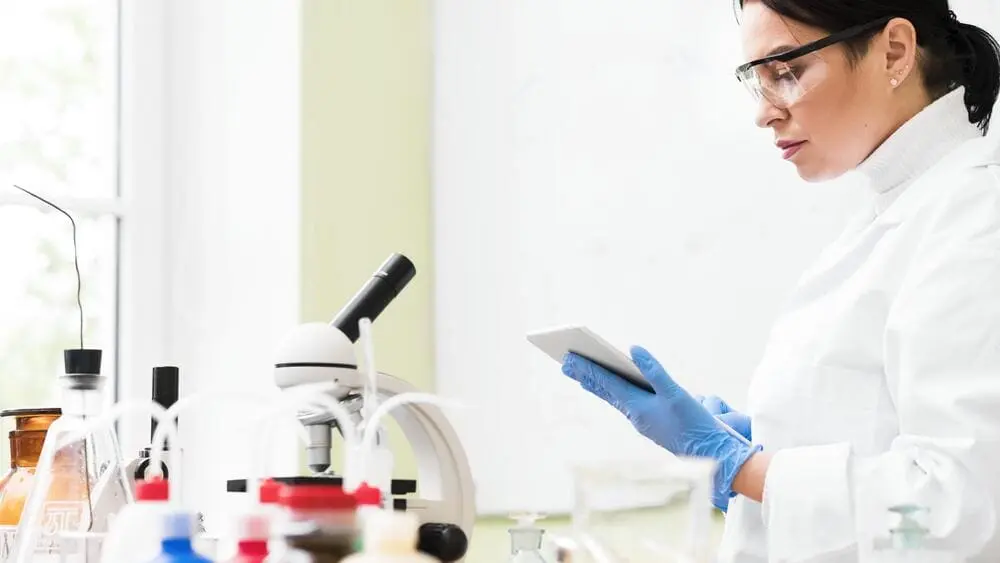
An ATP test kit is a complete hygiene monitoring solution that combines an ATP testing meter (luminometer), ATP swabs, and data management tools into one integrated system. This all-in-one package provides everything you need to implement rapid sanitation verification across your facility.
ATP test kits are designed for organizations seeking immediate, objective cleanliness data without relying on visual inspections or delayed laboratory results.
Applications
Applications for ATP Test Kits
ATP test kits serve diverse industries including food and beverage manufacturing, dairy processing, pharmaceutical production, healthcare facilities, hospitality operations, water treatment plants, and janitorial services.
Common applications include production equipment verification, CIP system validation, environmental monitoring, allergen cross-contamination prevention, and housekeeping quality assurance.
The Benefits
Benefits of Complete ATP Test Kits
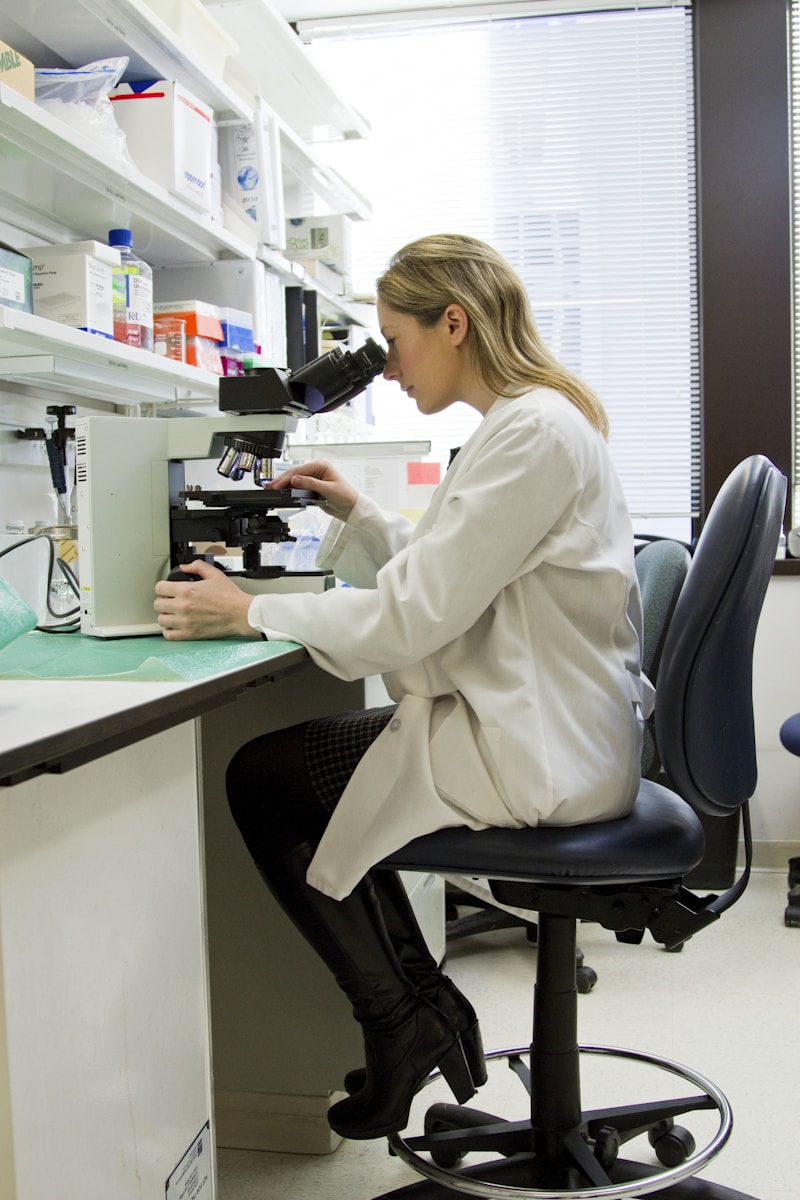
Everything arrives together, eliminating the complexity of sourcing compatible components separately. Start testing within hours of kit arrival, not weeks of equipment procurement.
Bundled pricing provides better value than purchasing components individually. Predictable upfront investment makes budgeting straightforward.
All kit components are validated to work together seamlessly. No concerns about meter-swab compatibility or software integration issues.
Start with a single kit for pilot testing, then expand across multiple locations. Add users, testing sites, and swab inventory as your program grows.
Implementation Process
Getting Started with Your ATP Test Kit
Phase 1
Assessment & Baseline (Week 1)
Identify critical control points requiring hygiene verification. Conduct baseline ATP testing to establish current cleanliness levels across your facility. Determine facility-specific pass/fail RLU limits based on surface type, contamination risk, and regulatory requirements.
Phase 2
Training (Week 2-3)
Train operators on proper swabbing technique, meter operation, result interpretation, and corrective action protocols. Most staff achieve competency within one training session. Integrate ATP testing procedures into existing quality management systems.
Phase 3
Implementation (Week 4+)
Implement scheduled testing at critical control points. Document results, track trends, and take immediate corrective action when ATP levels exceed established limits. Generate audit-ready compliance reports demonstrating systematic monitoring.
Quick Help & Answers
Frequently Asked Questions
What is an ATP test kit?
An ATP test kit is a rapid hy giene monitoring system used to measure adenosine triphosphate (ATP), an energy-carrying molecule found in living cells and organic residues. A typical system uses a test swab together with a handheld luminometer. After a sample is collected and processed, the device measures the light produced by the reaction and reports the result as Relative Light Units (RLU), providing a quick indication of hygiene conditions.
What does ATP testing test for?
ATP testing measures the presence of adenosine triphosphate (ATP), an energy-carrying molecule found in all living cells and organic residues, to quickly check if a surface is clean. It provides a rapid indication of organic contamination and overall cleanliness, helping users identify areas that may require additional cleaning.
What is the difference between ATP testing and microbiology lab testing?
ATP testing provides a rapid assessment of overall cleanliness and can produce results within seconds, but it does not identify specific microorganisms. Microbiology testing involves growing or analysing samples to identify and quantify particular microorganisms such as bacteria or pathogens, which generally takes longer. ATP monitoring is therefore useful for routine hygiene checks, while microbiological testing can be used for more specific verification.
How do I test my ATP levels?
If you mean testing ATP for surface cleanliness and hygiene, you use an ATP hygiene monitoring system consisting of a specialized test swab and a handheld device called a luminometer. The surface is sampled with the swab, which is then processed according to the manufacturer’s instructions before being placed into the luminometer. The resulting RLU reading provides an indication of the level of contamination detected.
What is an ATP lab test used for?
An ATP test is a rapid hygiene-monitoring tool used to measure actively growing microorganisms and organic residues on surfaces or in liquids. By detecting ATP, it provides quick feedback that can help food processing facilities, healthcare environments, laboratories, and other operations evaluate cleaning effectiveness and identify areas requiring further attention.
Can ATP test kits be used for water quality testing?
Yes, specialised ATP testing systems can be used for certain liquid and water samples. Depending on the test system, applications may include process water, rinse water, cleaning-in-place (CIP) systems, and beverage or liquid products. The appropriate test format should be selected based on the sample type and manufacturer’s specifications.
How accurate is ATP testing?
ATP testing is highly accurate for measuring overall organic residue and general hygiene in real time, but it is not a direct method for identifying or counting specific bacteria or pathogens. RLU results are best used as a rapid hygiene indicator and should be interpreted according to established facility limits, testing procedures, and the manufacturer’s guidance.
How long do ATP test kit supplies last?
The lifespan of ATP testing supplies depends on the specific system and storage conditions. Disposable test swabs should be stored according to the manufacturer’s instructions and used before their stated expiry date to maintain reliable performance. The luminometer itself can be used for an extended period with proper handling, cleaning, charging, and routine maintenance. Regularly checking consumable expiry dates helps ensure consistent testing results.
Contact Us Now
Ready to Implement Your ATP Test Kit?
Stop guessing if surfaces are clean. Our complete ATP test kit provides objective, quantifiable results at every critical control point. Request a customized quote based on your facility size and testing frequency.
The Science of Prevention
Because “Visually Clean” Is Not Safe
Surface contamination is invisible. Bacteria, allergens, and organic residues cannot be detected by sight. Traditional cleaning verification relies entirely on assumption — and assumptions don’t satisfy auditors, or protect consumers.
Rapid testing puts measurable, objective data in your hands — at the moment that matters.
Take Action
Start Controlling
Risk Today
See Bioeasy’s platform working in your own facility. Book a free, no-obligation demo with our team and get results you can measure within 24 hours.
Level 19, BO-01-D, Menara 2, No.3,
Jalan Bangsar, KL Eco City,
59200 Kuala Lumpur
Mon-Fri 8:30am – 5:30pm
Sat & Sun closed