
ATP Swabs
ATP swabs are essential for collecting surface samples during ATP hygiene testing to help detect organic contamination and verify cleaning effectiveness across food processing, healthcare, hospitality, and industrial environments.
Core Analytical Intrumentation Setup
Services
What is ATP Swabs?
ATP swabs are pre-moistened sampling devices designed to collect surface samples for rapid hygiene verification. Each swab contains specialized reagents that react with ATP (Adenosine Triphosphate) from living cells, producing measurable light when inserted into an ATP testing meter.
These all-in-one sampling tools are essential for effective hygiene monitoring programs across food manufacturing, pharmaceutical production, healthcare facilities, and hospitality operations.

How it Works
How ATP Swabs Work
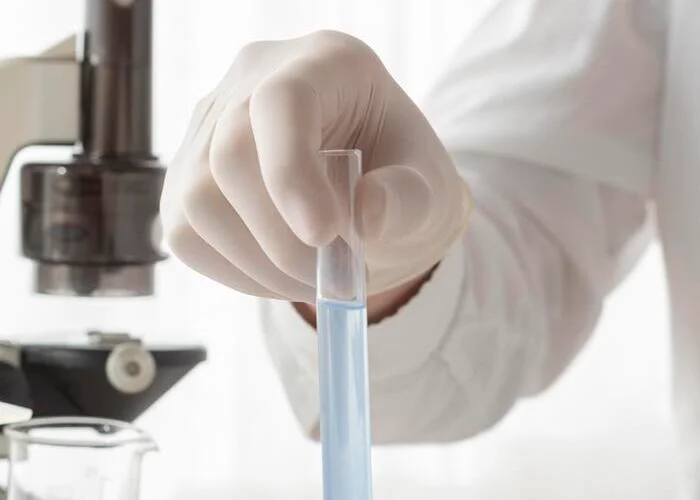
ATP swabs feature a uniquely designed sampling head that maximizes ATP recovery from tested surfaces. The swab head is pre-moistened with a collection solution that helps capture organic residue, bacteria, and other microorganisms. After swabbing the target surface using proper technique, you insert the swab into your ATP testing meter.
The swab contains luciferase enzymes and substrates that react with collected ATP, producing light measured as RLU (Relative Light Units). This entire process takes just 10 seconds from sample collection to result.
ATP Swab Variations
Types of ATP Swabs
Explore different types of ATP swabs designed for surface hygiene testing, contamination detection, and sanitation verification across various industrial and commercial environments.
Standard ATP Swabs
General-purpose swabs suitable for routine surface testing across most applications. Ideal for food contact surfaces, production equipment, and environmental monitoring. These swabs provide reliable sensitivity for everyday hygiene verification needs.
High-Sensitivity ATP Swabs
Ultra-sensitive swabs designed for stringent environments requiring lower detection limits. Perfect for pharmaceutical cleanrooms, critical food contact surfaces, and allergen cross-contamination prevention programs. These swabs detect ATP at levels four times lower than standard swabs.
Water Testing Swabs
Specialized swabs formulated specifically for liquid samples including rinse water, process water, and CIP (Clean-In-Place) system verification. These swabs measure both microbial ATP from living cells and free ATP from non-microbial sources, providing comprehensive water quality assessment
The Benefits
Key Benefits of ATP Swabs
Our ATP swabs remain stable at room temperature for up to four weeks, eliminating refrigeration requirements. This convenience allows you to store swabs directly at testing locations throughout your facility.
ATP swabs maintain accuracy for 12 months from manufacture when stored properly. Extended shelf life reduces waste and ensures you always have testing supplies available.
The flat swab head ensures maximum surface contact and ATP recovery. The sturdy wand construction allows operators to apply necessary pressure to break through biofilm and capture embedded contamination.
All reagents are housed within the swab device itself. No external mixing, preparation, or calibration required. Simply swab, snap, and test.
Quick Help & Answers
Frequently Asked Questions
What do ATP swabs test for on surfaces?
What is ATP swab testing in the food industry?
ATP swab testing is a rapid method to verify surface cleanliness in food manufacturing and processing facilities. ATP exists in all living cells including bacteria, mold, and food residues. By detecting ATP levels on food contact surfaces, production equipment, and environmental zones, you determine whether sanitation procedures effectively removed contamination. This rapid verification prevents contaminated surfaces from contacting food products.
Can ATP swabs detect specific bacteria or pathogens?
No. ATP swabs detect total organic contamination and microbial presence but cannot identify specific organisms like Salmonella, Listeria, or E. coli. They measure all ATP from any living cells or organic residue. For pathogen identification, use traditional microbiology testing. ATP testing excels at rapid screening showing whether surfaces are clean, while microbiology identifies what organisms are present.
What is the proper technique for swabbing surfaces?
Hold the swab at a 30-degree angle with firm, even pressure. Swab a 10cm x 10cm area using systematic horizontal strokes, then vertical strokes covering the same area. Maintain surface contact throughout sampling. For irregular surfaces or equipment crevices, adjust technique ensuring the swab head contacts all areas. Consistent technique between operators ensures reproducible results and valid comparisons over time.
Do ATP swabs work on all surface types?
Yes. ATP swabs work on stainless steel, plastic, rubber, glass, ceramic tile, painted surfaces, and food contact equipment. Different surface textures may affect ATP recovery slightly. Rough or porous surfaces may retain more organisms requiring firmer pressure during swabbing. Smooth surfaces like stainless steel provide easier, more consistent ATP collection. The swab design accommodates various surface types encountered in food manufacturing, healthcare, and hospitality facilities.
Contact Us Now
Order Your ATP Swabs Today
Get reliable, room-temperature stable ATP swabs for instant hygiene verification. Available in standard, high-sensitivity, and water-testing variants. Fast delivery across Malaysia with full technical support.
The Science of Prevention
Because “Visually Clean” Is Not Safe
Surface contamination is invisible. Bacteria, allergens, and organic residues cannot be detected by sight. Traditional cleaning verification relies entirely on assumption — and assumptions don’t satisfy auditors, or protect consumers.
Rapid testing puts measurable, objective data in your hands — at the moment that matters.
Take Action
Start Controlling
Risk Today
See Bioeasy’s platform working in your own facility. Book a free, no-obligation demo with our team and get results you can measure within 24 hours.
Level 19, BO-01-D, Menara 2, No.3,
Jalan Bangsar, KL Eco City,
59200 Kuala Lumpur
Mon-Fri 8:30am – 5:30pm
Sat & Sun closed