
Microbe Testing Kit
Microbe testing kits are designed for rapid microbial detection and hygiene monitoring across food processing, laboratories, healthcare, and industrial environments. Microbial testing kits help support accurate contamination screening and effective quality control management.
Core Analytical Intrumentation Setup
Services
What is Microbe Test Solution?
A microbe test solution is a diagnostic system designed to detect, enumerate, or identify microorganisms in food, beverages, water, pharmaceuticals, and environmental samples. Microbial testing is essential for verifying product safety, monitoring hygiene effectiveness, ensuring regulatory compliance, and preventing contamination incidents that threaten public health and brand reputation.
Bioeasy microbe testing kits provide flexible solutions ranging from traditional culture-based methods to rapid molecular detection systems. Whether you need total viable count enumeration, specific pathogen identification, or indicator organism screening, our microbial testing kit portfolio delivers reliable results across diverse applications.
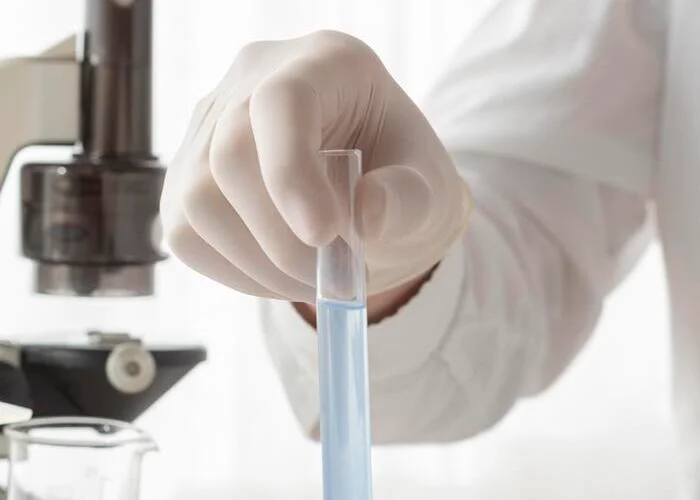
Best Practices
PROPER MICROBE TESTING TECHNIQUE
Sample Collection
Collect representative samples using aseptic technique. Use sterile sampling equipment and transfer samples to sterile containers. Maintain a cold chain during transport for perishable samples. Test within specified holding times to ensure accuracy.
Sample Preparation
Homogenize solid samples in sterile diluent using stomacher or blender. Prepare serial dilutions to achieve countable colony ranges. Use appropriate dilution factors based on expected microbial load.
Inoculation Technique
Transfer measured sample volumes to microbe testing kit or agar plates using calibrated pipettes. Spread samples evenly across the media surface. Work near flame or in laminar flow hood to prevent airborne contamination.
Incubation Conditions
Follow specific temperature and time requirements for each test type. Aerobic organisms typically incubate at 30-35°C, while coliforms require 35-37°C. Yeast and mold testing requires 20-25°C for 3-5 days. Maintain proper humidity to prevent media desiccation.
Colony Counting
Count colonies in the optimal range (25-250 colonies per plate for most methods). Use colony counter and tally register for accuracy. Differentiate target organisms from background flora using colony morphology and media-specific characteristics.
Quality Control
Include positive controls (known organisms), negative controls (sterile media), and blank samples in each testing batch. Participate in proficiency testing programs. Maintain equipment calibration records.
Contamination Prevention
Why Microbial Testing Is Critical
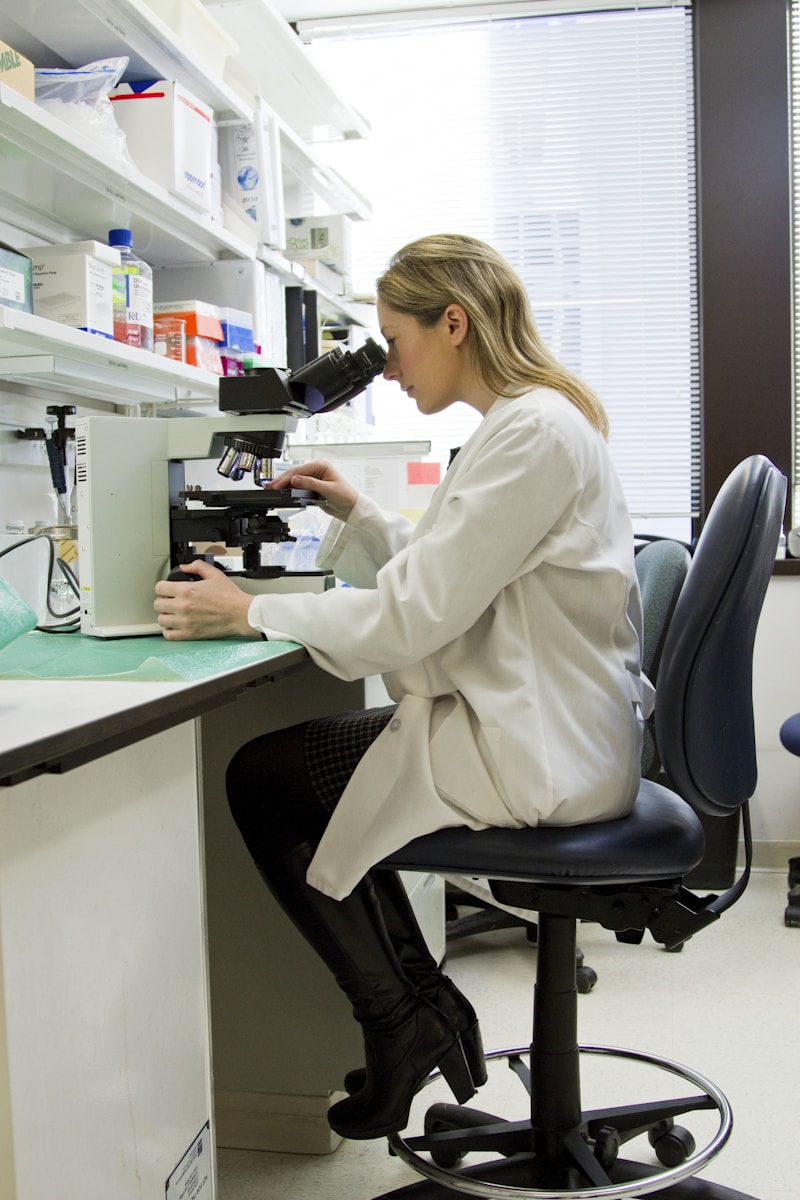
Meet HACCP, food safety regulations, and export requirements
Identify Salmonella, E. coli, Listeria, and other dangerous organisms
Detect contamination before shelf life is compromised
Verify heat treatment, pasteurization, and preservation effectiveness
Ensure production areas remain hygienically controlled
Confirm potable water safety and process water quality
Variations
Types of Microbial Testing
Total Viable Count (TVC)
Enumerate all aerobic bacteria in a sample to assess overall microbial load and product quality.
Pathogen Detection
Identify specific disease-causing organisms that pose immediate health risks including Salmonella, Listeria monocytogenes, E. coli O157:H7, and Campylobacter.
Specific Spoilage Organisms
Target bacteria that reduce shelf life including lactic acid bacteria, yeasts, and thermophilic spore formers.
Yeast and Mold
Detect fungi that cause spoilage in beverages, baked goods, dairy products, and preserved foods.
Quick Help & Answers
Frequently Asked Questions
How do you test for microbes in food and environmental samples?
Collect representative samples using a microbe testing kit containing culture media and sampling tools. Homogenize solid foods and plate onto agar. Filter water samples through membranes. Swab surfaces with sterile tools. Incubate and count colonies after specified time periods.
What is the difference between ready-to-use and traditional microbial testing methods?
Ready-to-use microbial testing kits require no media preparation, eliminating autoclaving and plate pouring. Traditional agar methods need preparation but cost less per test for high volumes. Both deliver reliable results when used correctly.
How long does microbial testing take to get results?
Total aerobic counts require 24-48 hours. Coliforms and E. coli provide results in 24 hours. Pathogen testing takes 3-7 days traditionally or 24-48 hours with rapid methods. Yeast and mold testing takes 3-5 days.
What types of organisms can be detected with microbial testing kits?
Kits detect bacteria, yeast, mold, and indicator organisms including total viable count, coliforms, E. coli, Staphylococcus aureus, Salmonella, Listeria, and Enterobacteriaceae. Specialized kits target organisms relevant to your industry.
Your Title Goes HereDo I need laboratory equipment to use a microbe testing kit?
Basic testing requires an incubator, refrigerator, and aseptic supplies. Ready-to-use kits minimize equipment needs. Advanced testing benefits from stomacher, laminar flow hood, and colony counter.
How do I validate a microbe testing kit for my application?
Test known positive and negative samples. Compare results to reference methods. Document accuracy, recovery rates, and reproducibility. Your supplier provides validation protocols and technical support for matrix-specific studies.
Contact Us Now
Get Your Microbial Testing Kit Today
Complete microbe testing solutions for bacteria, pathogens, and indicator organisms. Our microbe testing kits include everything you need for on-site detection. Request a customized quote based on your testing volume and pathogen targets.
Take Action
Start Controlling
Risk Today
See Bioeasy’s platform working in your own facility. Book a free, no-obligation demo with our team and get results you can measure within 24 hours.
Level 19, BO-01-D, Menara 2, No.3,
Jalan Bangsar, KL Eco City,
59200 Kuala Lumpur
Mon-Fri 8:30am – 5:30pm
Sat & Sun closed